


Affiliate disclosure: the part links on this page are Amazon affiliate links. If you buy through them, Psymedia may earn a small commission at no extra cost to you. As an Amazon Associate, we earn from qualifying purchases.
A music production computer needs to be fast, quiet and dependable. Nothing kills a creative flow like a crackling buffer or a fan that bleeds into your recordings. This guide sets out three PC builds for electronic music production, from a lean starter rig to a sample-hungry workhorse for big sessions.
Everything has been refreshed for 2026/27. All three builds use AMD's current AM5 platform, which still has room for upgrades. We've also dropped the old Intel 13th and 14th generation chips, which became notorious for stability problems.
If you'd rather not assemble a computer yourself, a local system builder can put one together from the same specification. If you need to produce on the move, a laptop is the better choice.
Why PC parts cost more now
Computer parts are noticeably more expensive than they were a couple of years ago. Since late 2025, demand from AI data centres has soaked up a huge share of the world's memory production, and RAM and SSD prices have climbed sharply as a result. A 32GB DDR5 kit that once cost the price of a takeaway can now cost more than the processor it sits next to.
That is why the builds below put money into the parts a DAW actually leans on (a strong CPU, enough RAM and fast storage) and nowhere else. The prices are approximate US dollar figures based on Amazon US listings and the 2026 market. Memory and storage in particular move from week to week, so always check the live listing before you buy.
What a music production PC actually needs
CPU: Most DAW and plugin work is limited by how fast each core runs, so a modern chip with strong single-core speed matters as much as the core count. More cores help once you run many tracks, synths and effects at once. See our guide to the best CPUs for music production.
RAM: 32GB is the sensible minimum in 2026. Large sample libraries, big Kontakt instruments and a browser full of tutorials add up quickly. Go to 64GB if you work with orchestral libraries or huge sessions.
Storage: Use an NVMe SSD for the system and a second one for samples and projects. Fast drives mean quicker project loads and fewer dropouts when streaming samples. Read our guide to the best SSDs for music production.
Cooling and noise: A large air cooler and a case with good airflow keep the fans slow and quiet, which is what you want next to your microphone and monitors.
Graphics: You don't need a graphics card. AMD's Ryzen 9000 processors have basic integrated graphics that comfortably drive a monitor or two, so that money goes into the parts above instead.
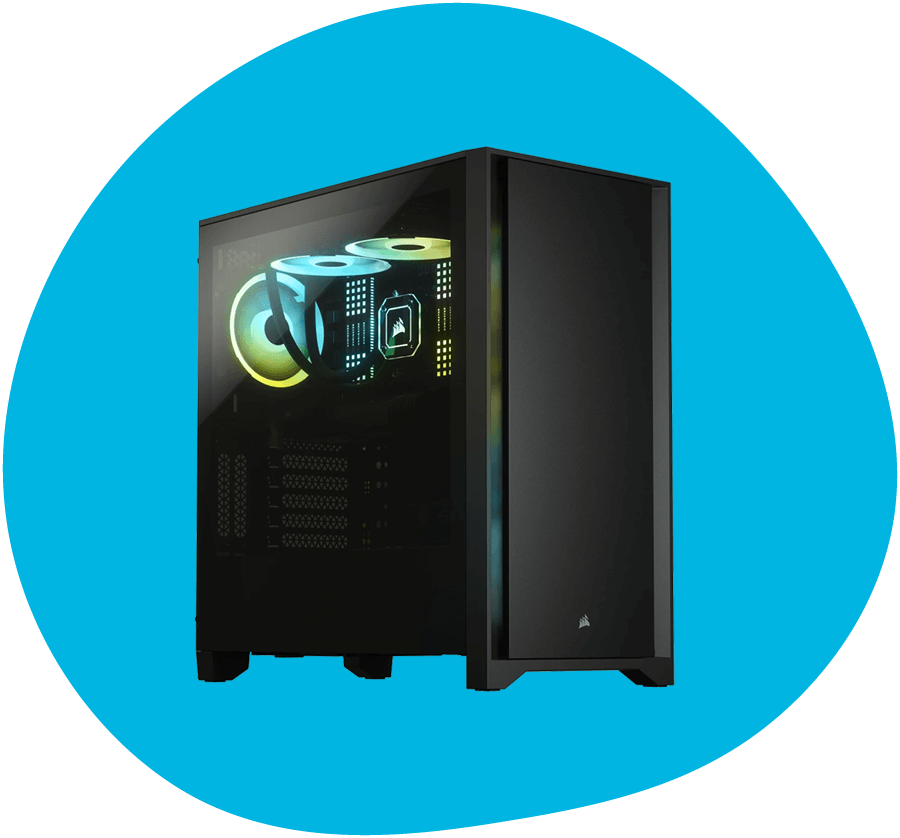
Budget Music Production PC Build
This is the build for producers who want a capable machine without overspending. It handles plenty of tracks, a healthy stack of synths and effects, and mixing and mastering on a typical electronic music project.
The Ryzen 5 9600X is a six-core chip with excellent single-core speed, which is what most DAWs reward. We've paired it with 32GB of DDR5 memory and a fast 1TB NVMe drive, and a quiet air cooler keeps the fans low.
To save money, you could start with a single 16GB module and add a second later. The catch is that you run in single-channel mode until you do, so we'd only do this if the budget is truly tight.
Prices are approximate US dollar estimates for Amazon US and will move. Always check the live listing. Local reference: Evetech's 2026 entry-level music production tier (Ryzen 5 7600, 32GB DDR5 and a 1TB NVMe) sits around R20,000 in South Africa.
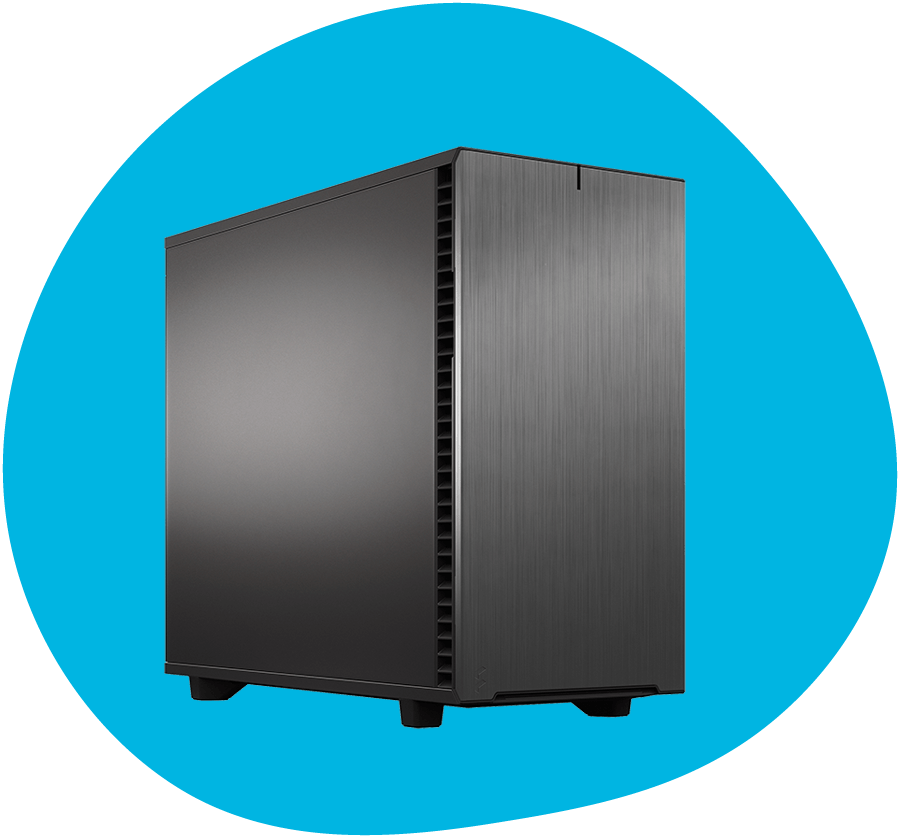
Mid-Range Music Production PC Build
This is the sweet spot for most serious producers. With eight fast cores, plenty of cooling headroom and a dedicated drive for samples, it handles dense arrangements, heavy synths and a lot of live recording without breaking a sweat.
The Ryzen 7 9700X is efficient and runs cool, so it stays quiet. We've split storage across two drives: a 1TB drive for Windows and your DAW, and a 2TB drive for sample libraries and projects. A roomier case and a stronger cooler keep noise down.
Prices are approximate US dollar estimates for Amazon US and will move. Always check the live listing. Local reference: Evetech's 2026 mid-tier music production system (Ryzen 7 7700X, 32GB DDR5 and 3TB of NVMe storage) sits around R40,000 in South Africa.
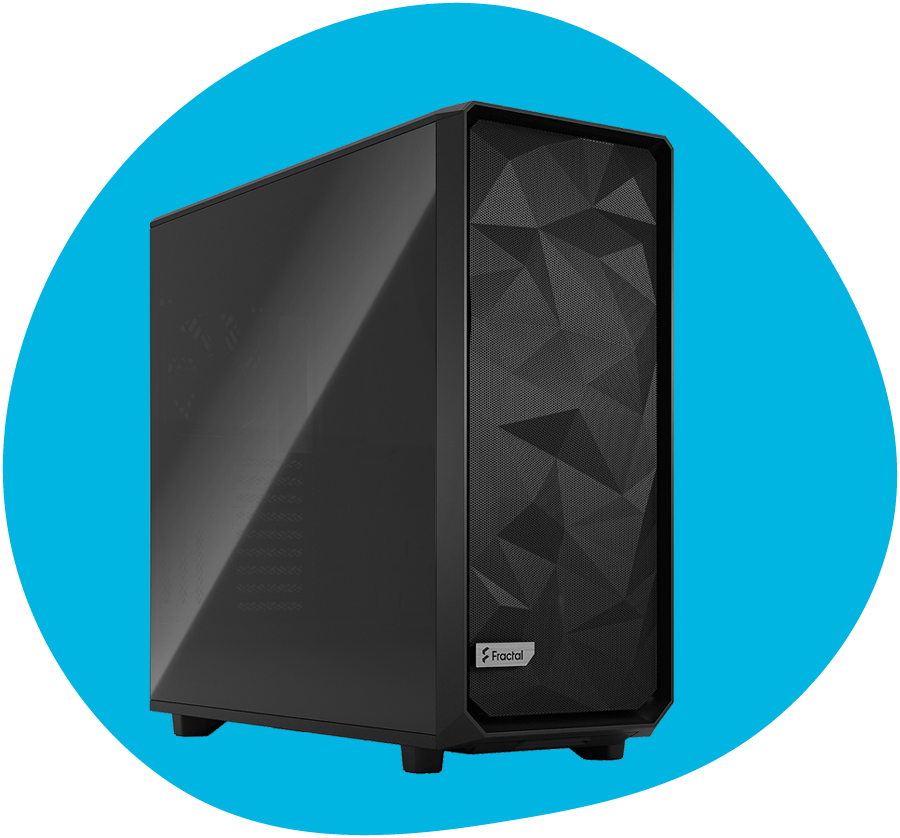
High-End Music Production PC Build
This build is for professionals and anyone who works with huge sessions: film and orchestral scoring, big sample libraries, dozens of plugin-heavy tracks and low-latency recording at the same time.
The Ryzen 9 9950X has sixteen cores for projects that would flatten smaller chips, and 64GB of memory leaves room for enormous libraries. Storage is split three ways for the system, active projects and samples. A 360mm liquid cooler or a large air cooler keeps everything quiet.
The X3D variants are aimed at games and give audio work little extra, so the standard chip is the better value here.
Prices are approximate US dollar estimates for Amazon US and will move. Always check the live listing. Local reference: Evetech's 2026 orchestral and film tier (Ryzen 9 7900X, 64GB DDR5 and 5TB of NVMe storage) sits around R65,000 in South Africa.
Buying in South Africa: most of these listings are on Amazon US, which is where the prices come from. Shipping bulky PC parts to South Africa adds courier fees, VAT and import duties, so for most people it works out better to buy locally from retailers such as Evetech, Wootware or Takealot, using these builds as the specification. Check your local prices before you order.
Keep exploring: choose your software with our guide to the best DAWs, compare CPUs and SSDs in more depth, or read about the psytrance artists who make the music these machines are built for.
FAQ
How much RAM do I need for music production?
32GB is the sensible minimum for a new build in 2026. Choose 64GB if you work with large orchestral or sampled instrument libraries, or very big sessions. 16GB still works for light projects, but you will hit its limit quickly.
Do I need a graphics card for music production?
No. DAWs and plugins lean on the CPU, RAM and storage. The integrated graphics in Ryzen 9000 processors can drive a monitor or two. Only add a graphics card if you also game, edit video or need many high-resolution screens.
AMD or Intel for a music PC?
Both can work well. We chose AMD's AM5 platform because it offers strong performance per watt, runs cool and quiet, and has room for future upgrades. If you go Intel, avoid used 13th and 14th generation chips, which had well-documented stability problems, and look at the newer Core Ultra range instead.
How many CPU cores do I need?
Six fast cores are enough for most electronic music. Eight cores give you comfortable headroom for dense projects, and sixteen are for very large sessions with many plugin-heavy tracks. Single-core speed matters just as much as core count.
Why are PC parts so expensive now?
Demand from AI data centres has absorbed much of the world's memory production, which pushed up RAM and SSD prices from late 2025. It affects every brand, not just the ones listed here. If you can wait, prices may ease, but nobody can say when.
Can I upgrade the PC later?
Yes, and that is a big reason to build rather than buy a locked-down machine. You can add RAM or storage at any time, and the AM5 socket should accept newer Ryzen processors without replacing the motherboard.
Should I build it myself or buy a pre-built system?
Building is not difficult, and it lets you choose quiet parts. If you don't want to do it yourself, ask a local system builder to assemble the same specification and test it before it reaches you.