
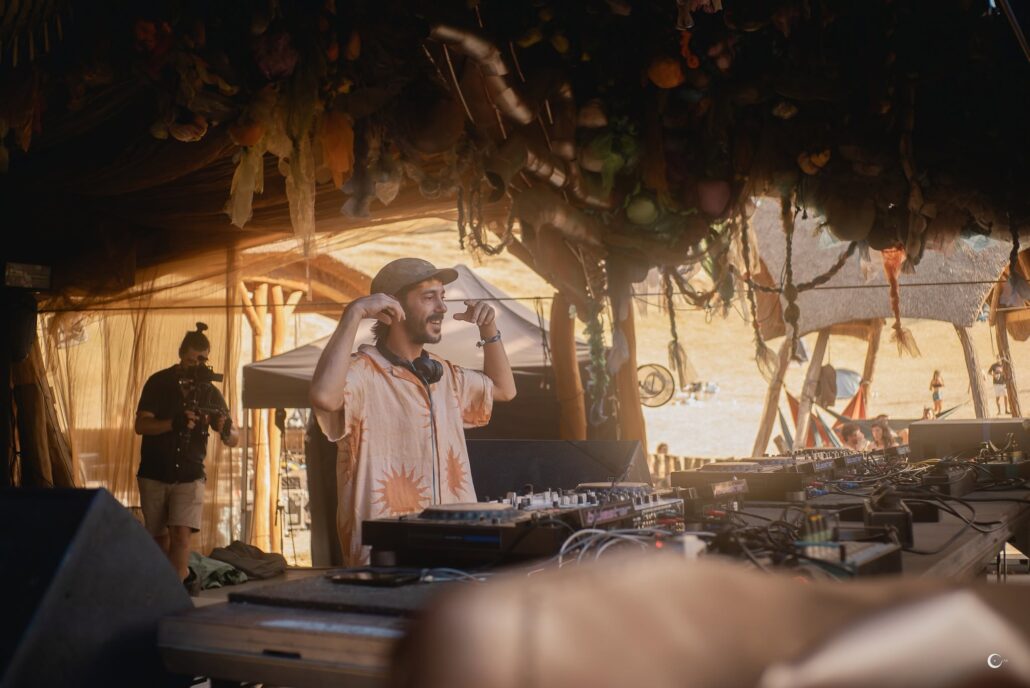
The festival announced the decision on its Instagram and Facebook pages. It’s the latest example of bookings, boycotts and politics colliding.
What the festival said
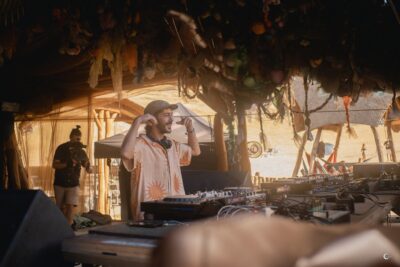
Twisted Frequency booked Dekel (real name Dekel Kamiski) on a personal recommendation, then learned of public calls to boycott him over his past service in the Israeli Defence Forces and his gigs in Israel. The organisers looked into it and, by their own admission, “uncovered nothing verified and substantial about his personal beliefs.” What ended the booking was simpler: Dekel hadn’t made a public political statement.
“All Israelis are forced into military service from their 18th birthday so this fact alone isn’t a reason to boycott a musician,” the statement reads. “However, lacking a public statement against the ongoing occupation and genocide, we cannot host Dekel on our line-up.“
The festival was explicit about where it stands: “It is the position of some music events that these spaces should not be made political. Twisted Frequency is not one of those events.“
Where the reasoning gets shaky
Festivals can book whoever they like, and Twisted Frequency is entitled to its politics. But the statement doesn’t quite hold together, and the problems it raises go well beyond one cancelled set.
Silence isn’t guilt. The organisers say no one should be “made a villain simply because of where they are born,” then turn around and require Dekel to make a specific public political declaration to keep his slot. That’s compulsory speech, dressed up as vetting. An artist’s silence, whether from caution, exhaustion, or not wanting to be a spokesperson, gets read as an admission.
There was nothing to find. The festival’s own investigation turned up no hate speech, no discriminatory behaviour, no misconduct. Dekel lost the booking because of online pressure, not because of anything he did. That tells campaigners the loudest backlash wins, regardless of what’s actually true about the person on the bill.
Who else gets screened? Once ideological pre-screening becomes policy, it has to be applied consistently. Are artists from every country involved in a territorial dispute or a war now required to declare their politics before they can play? And for musicians from conflict zones, a public statement isn’t free. It can carry real legal or personal risk back home. The festival’s policy doesn’t account for any of that.
The bigger picture
This is a festival with a point of view deciding its lineup should match it. Fair enough as a business decision. But there’s a difference between a festival with values and a festival that demands its artists pass a political test. Once the second becomes normal, the range of who gets to perform narrows to whoever is willing to say the right things out loud. Festivals across the industry now have to pick a side: open cultural exchange, or political alignment as a condition of entry.