

Affiliate disclosure: the product links on this page are Amazon affiliate links. If you buy through them, Psymedia may earn a small commission at no extra cost to you. As an Amazon Associate, we earn from qualifying purchases.
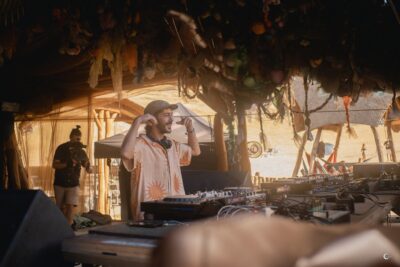
Music festivals are a feast for the senses, with visual art, food and, most importantly, live music. They can also be very loud. Near the speakers, levels often pass 100dB, which is loud enough to cause lasting damage, including tinnitus (a constant ringing in the ears) and permanent hearing loss.
The good news is that protecting your ears doesn't mean ruining the music. Good festival earplugs lower the volume evenly across frequencies, so the music sounds like itself, only quieter. This guide has been refreshed for 2026/27, with newer options and a clear reason for each pick.
In a hurry? Grab the EarPeace Music for the best all-round festival pair, or the Etymotic ER20XS if you want proven sound quality on a budget.
Why ear protection matters at festivals
How loud is too loud? Health bodies treat around 85dB as the limit for eight hours of listening, and every extra 3dB roughly halves the safe time. A festival speaker stack easily goes well above that, so even an hour close to the stage can be too much without protection.
Why not just use foam plugs? Cheap foam plugs block the high frequencies more than the lows, so the music sounds muffled and boomy. High-fidelity earplugs use an acoustic filter to lower the level more evenly, so vocals, hi-hats and bass stay clear. Foam is still handy for sleeping at camp.
What to look for in festival earplugs
Noise reduction: Look for around 15 to 25dB of reduction for festivals. More isn't always better, because very strong plugs make the music dull. Be aware that brands quote different ratings (NRR and SNR), so compare numbers carefully.
Sound quality: High-fidelity plugs with a filter keep the music clear. Avoid plain foam if you want to enjoy the show.
Comfort and fit: Choose plugs that come with several tip sizes. A good seal matters, because a poor fit can cut the protection a lot.
Case and reusability: Silicone plugs can be washed and reused for years. A keychain case stops you losing them in the crowd.
Style: Discreet or fun designs are easier to wear all day, and you'll keep them in.
EarPeace Music
Why we picked it: Interchangeable filters let you choose how much volume to cut, so one pair suits a quiet acoustic stage and a full-on main stage.
The EarPeace Music plugs are our top choice because they adapt to the show. Swap the filters for stronger or lighter reduction depending on where you are.
They are made from soft silicone, and they come with an aluminium keychain case. Reviewers describe them as comfortable for a whole day.
Pick it if: you want one pair that works for every stage and every set.
Skip it if: you want the most discreet, fuss-free pair and never change filters.
Check the price on Amazon US
Loop Experience 2
Why we picked it: It's the stylish favourite that people actually enjoy wearing all day, and its small loop design takes the edge off the loudness without a muffled sound.
Loop plugs are everywhere at festivals, and the Experience 2 is the one to buy if you want something fashionable. The loop channel lets sound in gently while lowering the level.
Loop quotes about 17dB of reduction on its own scale (SNR) and a lower NRR of 12dB, so they suit moderate volumes better than the loudest bass-heavy stages. Optional inserts can add extra reduction.
Pick it if: you want a stylish, comfortable pair that suits all-day wear.
Skip it if: you stand right at the speakers for hours and want maximum protection.
Check the price on Amazon US
Eargasm High Fidelity
Why we picked it: Reviewers rate it among the cleanest-sounding festival plugs, because it lowers the level evenly so vocals and hi-hats stay crisp.
The Eargasm plugs are built for people who care about how the music sounds. They come with two shell sizes and several silicone tips, plus a waterproof aluminium case.
Listings quote anywhere from 16dB to 21dB of reduction depending on the rating used, so treat them as a mid-strength pair that's great for most festivals.
Pick it if: you want clarity and a reliable, well-priced pair.
Skip it if: you need a pair with adjustable filters.
Check the price on Amazon US
Etymotic ER20XS
Why we picked it: It's the long-standing musicians' earplug, with a proven filter that keeps sound natural, at a price that's lower than most rivals.
Etymotic has made hearing protection for musicians for decades, and the ER20XS is the plug many sound engineers recommend. It lowers volume evenly, so the music stays clear.
It uses a simple universal-fit design with a case, and it's one of the cheapest ways to get high-quality protection. It's not as stylish as the Loop, but it works.
Pick it if: you want proven sound quality for as little money as possible.
Skip it if: you want something fashionable or with adjustable filters.
Check the price on Amazon US
Vibes Hi-Fidelity
Why we picked it: It's nearly invisible and easy to get used to, which makes it a low-risk first pair for anyone new to wearing earplugs at shows.
The Vibes plugs have clear shells, so they barely show, and several tip sizes help you find a comfortable seal. They are a gentle introduction to hearing protection.
Reduction is around 15dB, so they suit moderately loud shows rather than the loudest stages. They don't have swappable filters.
Pick it if: it's your first pair and you want something simple and discreet.
Skip it if: you want strong protection for very loud bass music.
Check the price on Amazon US
Alpine Tune
Why we picked it: It's a newer, affordable high-fidelity plug from a respected hearing-protection brand, with several tip sizes to get a good fit.
Alpine's Tune plugs are rated at about 19dB and come with a choice of tip sizes. They replace the older Alpine MusicSafe Pro on our list, and they cost less.
They're a sensible pick if you want a reputable brand at a lower price and don't need adjustable filters.
Pick it if: you want a trusted brand at a modest price.
Skip it if: you want swappable filters for different stages.
Check the price on Amazon US
Decibullz Custom Molded Earplugs
Why we picked it: You mould them to your own ears at home, which gives the best seal and comfort for people who struggle to fit standard tips.
If standard plugs always fall out or hurt, a custom-moulded pair can fix that. Decibullz plugs are softened in hot water and shaped to your ear, so they sit securely.
A better seal means the protection is more reliable. Check that the model you buy has a filter designed for music, since some are made for general noise.
Pick it if: regular plugs never fit properly.
Skip it if: you want a quick, no-fuss pair out of the box.
Check the price on Amazon US
Foam earplug multipack (Mack's or Flents)
Why we picked it: They block far more noise than hi-fi plugs and cost very little, so they're ideal for sleeping at camp, even if they aren't for listening to music.
Foam plugs make the music muffled, so don't use them in front of the stage. But if you're camping next to a sound system, they're the best way to get some sleep.
Throw a multipack in your bag as a spare. They're cheap, and you'll be glad of them if you lose your good pair.
Pick it if: you're camping and want to sleep, or you need a cheap spare.
Skip it if: you want to enjoy the music with them in.
Check the price on Amazon US
Care and good habits
Wash silicone plugs with mild soap and water, dry them well, and keep them in their case. Replace tips when they get worn or stiff.
Put your plugs in before the first act, not after your ears are already ringing. Take regular breaks away from the speakers, and stay out of the front few metres of the stack.
If your ears ring for more than a day or two after a show, see a doctor or audiologist. Earplugs protect your hearing, but they can't reverse damage.
Buying in South Africa: prices on this page are approximate US dollar figures from Amazon US and will move. Shipping and import costs can outweigh the price of a pair of earplugs, so it's worth checking local pharmacies, music stores and online retailers for the same brands before you order from abroad.
Heading to a festival? Plan your trip with our guides to the best psytrance festivals, the best techno festivals in Europe and our AfrikaBurn survival tips.
FAQ
How loud are music festivals?
Often 100dB or more close to the speakers. Health bodies treat 85dB as the safe limit for eight hours, and every extra 3dB roughly halves the safe time, so a festival can reach harmful levels within minutes near the stage.
Do festival earplugs ruin the sound?
Good ones don't. High-fidelity earplugs lower the volume evenly across frequencies, so the music sounds clearer and more balanced, only quieter. Cheap foam plugs muffle the sound.
What is the difference between NRR and SNR?
Both measure how much a plug reduces noise, but they come from different standards, so the numbers aren't directly comparable. Brands often quote the more flattering one, so compare plugs using the same rating.
How much noise reduction do I need?
For most festivals, 15 to 25dB is enough. Very strong plugs make the music dull, and weak ones don't protect enough. Adjustable filters give you the flexibility to change it.
Can I sleep in festival earplugs?
Hi-fi silicone plugs can be uncomfortable when lying on your side, so use soft foam plugs for sleeping and keep your good pair for the music.
Are earplugs safe for children?
Children's ears are small and more sensitive to loud sound, so they need protection even more. Use ear defenders made for children, as adult earplugs may not fit.
Will earplugs stop tinnitus?
They help prevent it, but they can't cure it. If your ears ring for more than a day or two after a show, see a doctor or audiologist.